March 16, 2026
Why LinkedIn Isn't Enough for Fractional Executives and Consultants
Read More
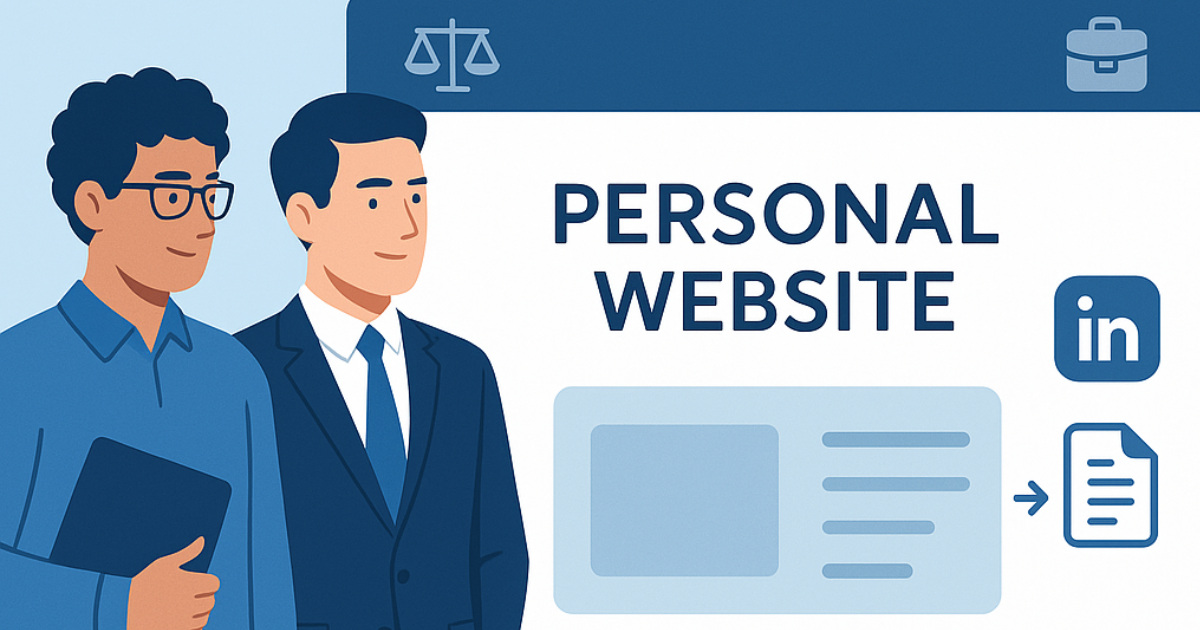
Many independent professionals assume a strong LinkedIn presence is enough because it covers the basics. It shows your background, your activity, and a public version of your reputation. The problem is that basics do not always win work.
If LinkedIn is your only online home, you are probably losing opportunities in places you cannot easily see. Not because your profile is weak, but because the format limits what a serious buyer can learn and do.
Even excellent profiles sit inside the same template. The structure does not help you highlight the exact problem you solve or the kind of client you want more of. It flattens specialists and generalists into similar looking pages.
That sameness matters when buyers are comparing options quickly. A focused website gives you room to stand apart without sounding louder than everyone else.
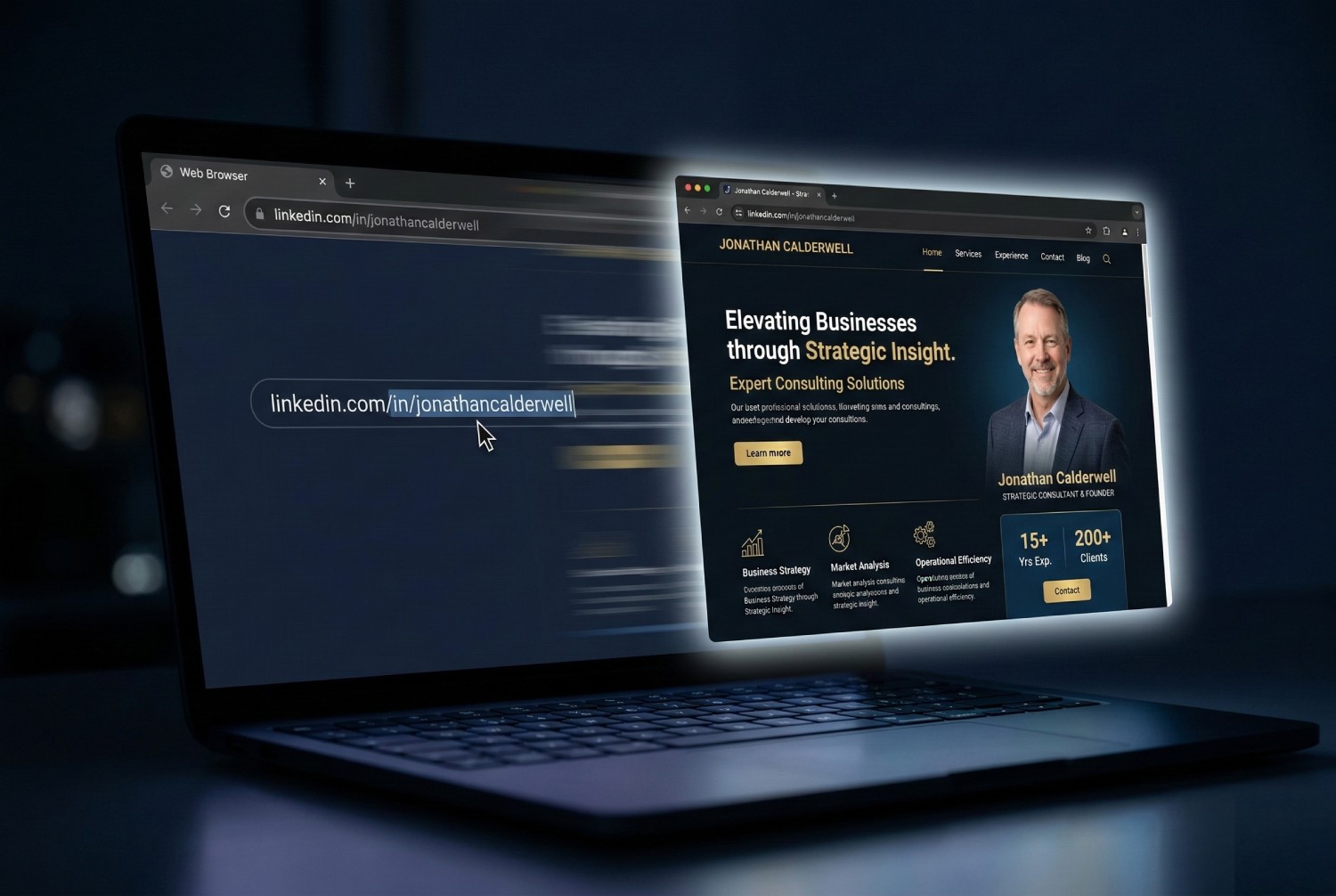
A website can guide someone from first impression to action. LinkedIn rarely does that cleanly. You cannot shape one calm path that says, here is what I do, here is proof, and here is how to start.
A buyer who searches for a niche phrase such as fractional CFO for SaaS, executive coach for new leaders, or consultant for pricing strategy is more likely to find a strong website page than a personal LinkedIn profile. That is one of the quiet costs of relying on a platform alone.
Search works slowly, but it compounds. The sooner your own pages exist, the sooner they can start building visibility.
Recommendations on LinkedIn help, but they are not enough for deeper trust. Buyers often want a more complete picture. They want to understand context, outcomes, and how you think. A website gives you space for that without forcing everything into short profile sections.
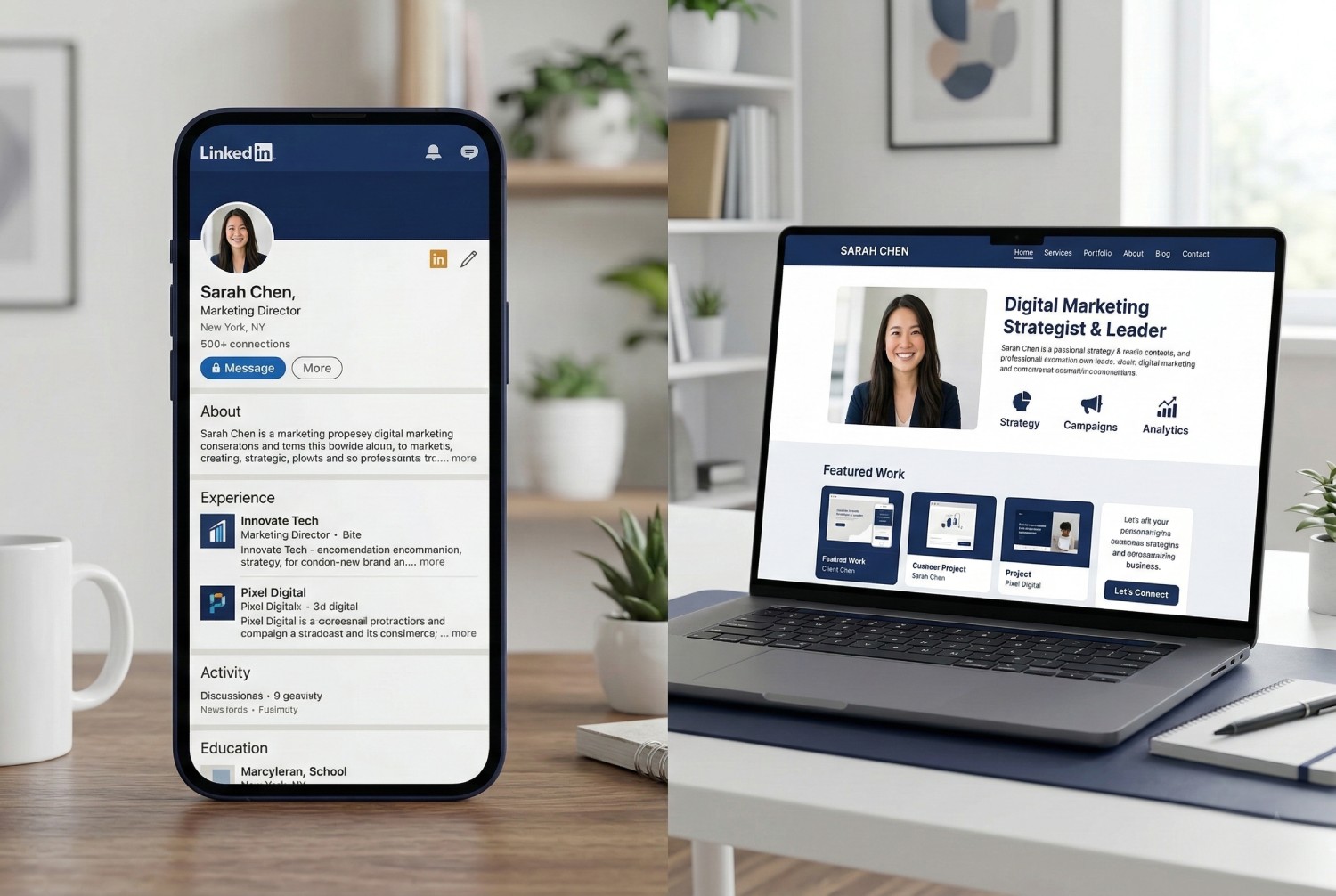
Keeping LinkedIn strong is still worth doing. It remains an important discovery channel. But if you want more control over how buyers evaluate you, more room to present proof, and a clearer path to inquiry, you need your own site as well.
That combination is what turns online presence into client development. One platform starts the interest. The other helps finish the decision.